buying · 10 min read
Truck-buying guide: payload, towing, and daily use
Choose a truck from verified ratings and real work requirements—not appearance alone.
NOVA MOTORS editorial team [placeholder] · Published 2026-07-26
Define the work precisely
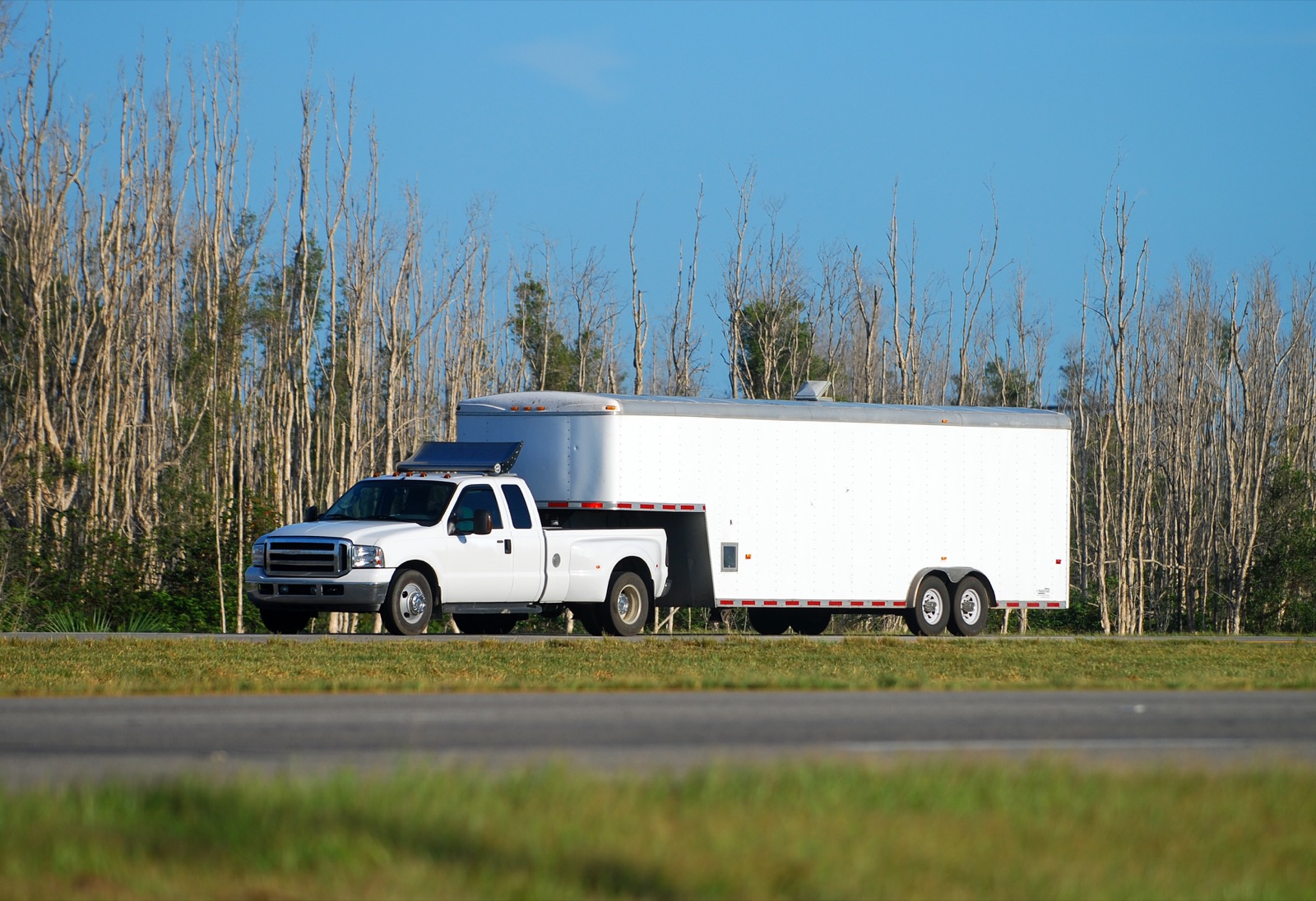
List trailer type, loaded trailer weight, tongue or pin weight, passengers, tools, bed cargo, terrain, and frequency. Maximum advertised figures may apply only to a specific configuration. Leave a sensible margin and verify the actual truck’s ratings.
Read the vehicle labels
Payload, gross vehicle weight rating, axle ratings, and tire limits are vehicle-specific. Towing also depends on engine, axle ratio, cab, bed, drivetrain, hitch, cooling, and brake equipment. Confirm the configuration and consult manufacturer documentation.
Inspect for previous use
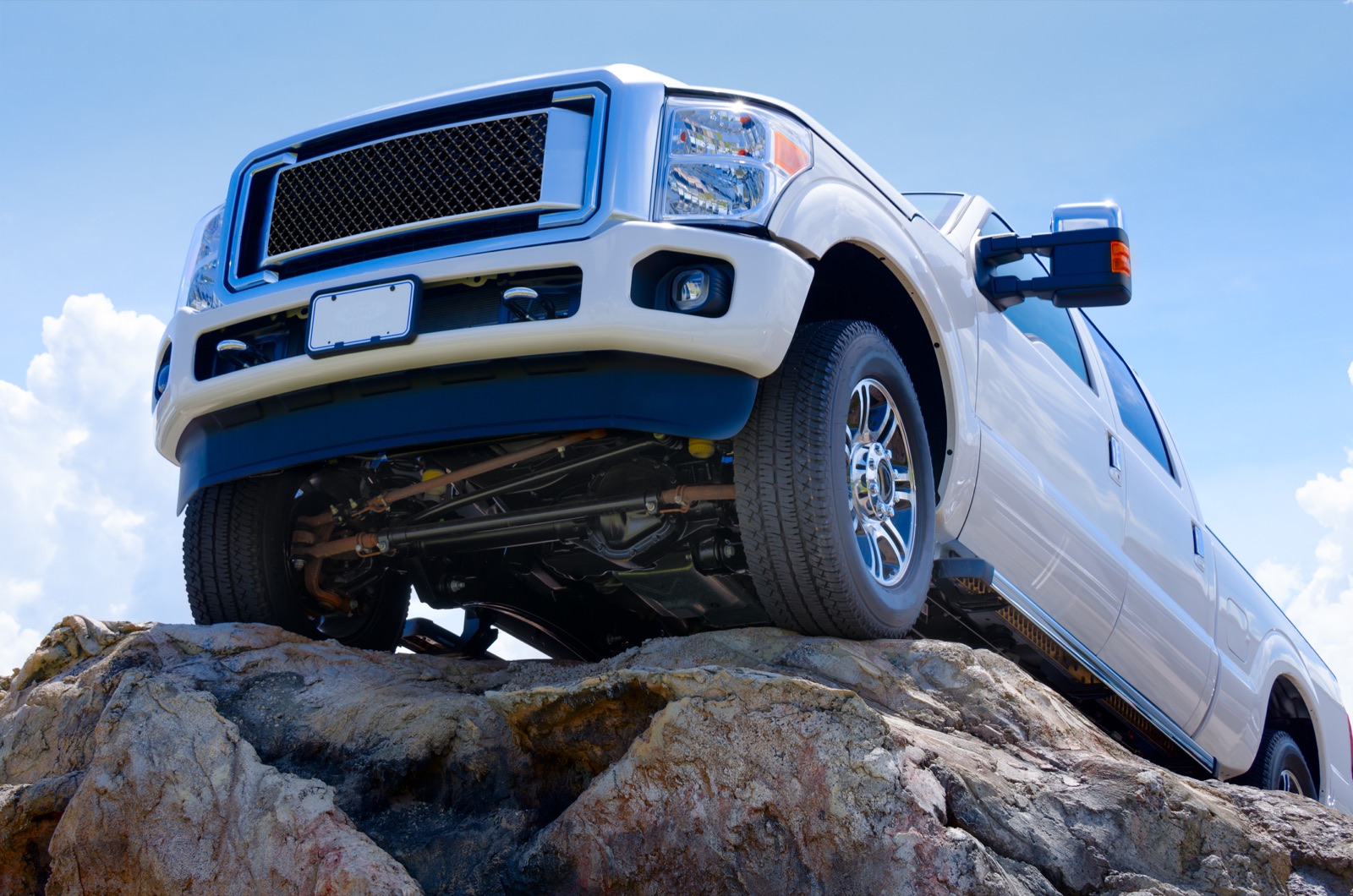
Look at hitch components, bed, underbody, tires, brakes, suspension stance, wiring, and evidence of modifications. Previous towing or work is not automatically a problem, but condition, maintenance, and correct equipment deserve careful review.
Balance work and daily driving
A larger configuration can reduce manoeuvrability, ride comfort, efficiency, and parking convenience. Test the truck without and, where safely arranged, with representative load conditions. Check camera views, turning circle, step-in height, rear-seat access, and bed usability.
Ask for qualified guidance
Towing mistakes have serious safety consequences. Do not rely on a generic listing or calculator alone. Verify ratings for the exact truck and trailer, use appropriate equipment, and seek professional setup advice when needed.
This article provides general educational information. Confirm vehicle-specific facts and seek qualified financial, legal, mechanical, or insurance guidance when appropriate.