comparisons · 9 min read
Hybrid versus electric: matching the powertrain to your routine
Compare charging, trip patterns, efficiency, maintenance, and battery questions.
NOVA MOTORS editorial team [placeholder] · Published 2026-07-29
Map your driving and charging
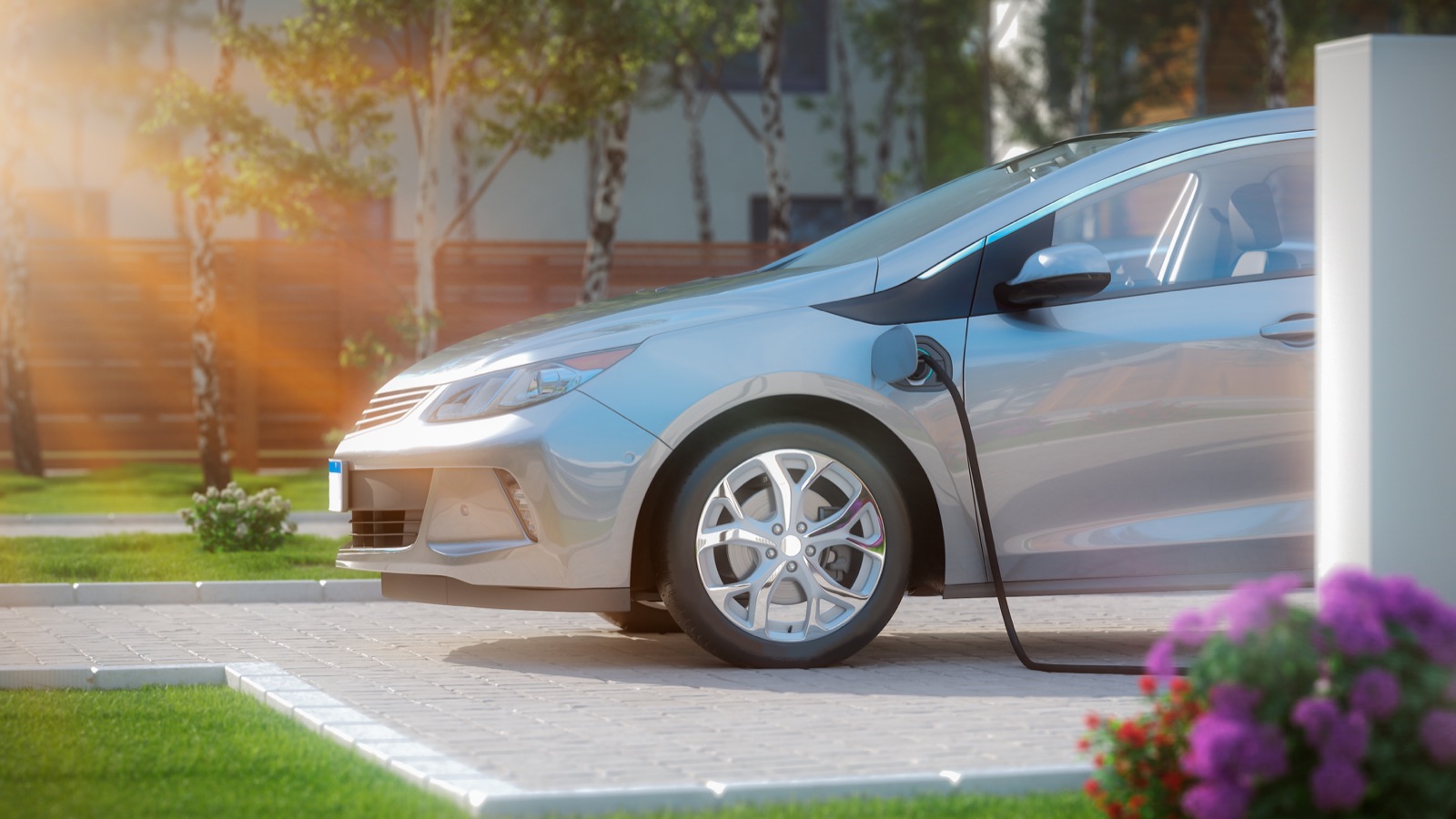
Battery-electric vehicles are often easiest when reliable home or workplace charging covers routine travel. Hybrids require fuel but no plug; plug-in hybrids can cover some trips electrically when charged consistently. Check daily distance, longer-trip frequency, climate, parking, and actual local charging access.
Understand range as a variable
Displayed and rated range can change with speed, temperature, heating or cooling, elevation, load, tires, and battery condition. Plan around the least convenient routine rather than the best published number, and identify charging alternatives before committing.
Review battery information
Ask about remaining battery coverage, charging capability, service records, warning messages, and any available health or diagnostic information. Battery evaluation differs by vehicle. Do not assume one dashboard number fully describes condition.
Compare total costs
Include purchase price, incentives only when confirmed, insurance, charging equipment, electricity or fuel, maintenance, and resale uncertainty. Electric vehicles may reduce some routine service items, while tires, suspension, brakes, and cabin systems still require attention.
Test the actual technology
Confirm connector type, charging speed, cable availability, regenerative-braking behaviour, route-planning tools, preconditioning, and mobile-app transfer. A powertrain that fits the routine is more useful than one chosen only for a headline efficiency figure.
This article provides general educational information. Confirm vehicle-specific facts and seek qualified financial, legal, mechanical, or insurance guidance when appropriate.